Campi Flegrei · The Burning Fields
Steaming craters, a sunken Roman city, the cave of the Cumaean Sibyl. A licensed local guide leads you through the Phlegraean Fields — the supervolcano west of Naples where myth and geology share the same ground.
West of Naples
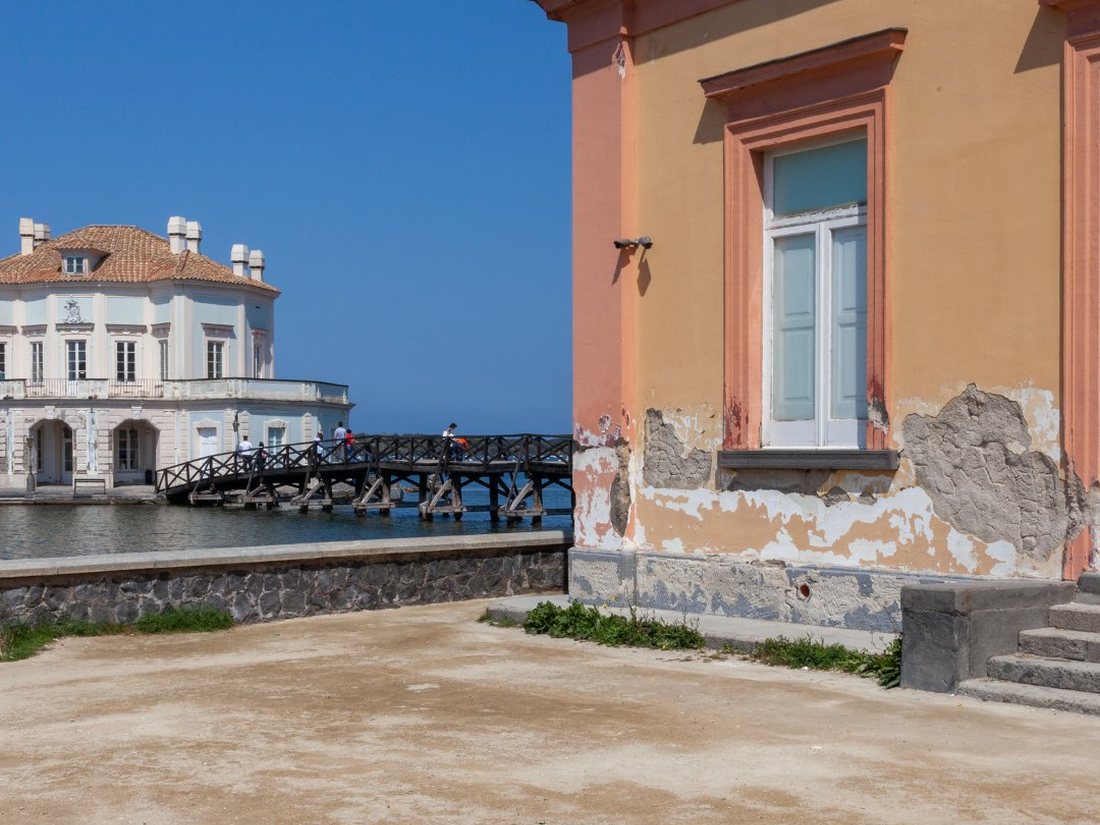
The Campi Flegrei — the Phlegraean Fields — are not a single ruin but an entire volcanic landscape that the Greeks and Romans treated as the edge of the known world. The ground here rises and falls by meters over decades, a phenomenon called bradyseism; columns from a Roman market still carry the borings of marine shellfish that once submerged them.
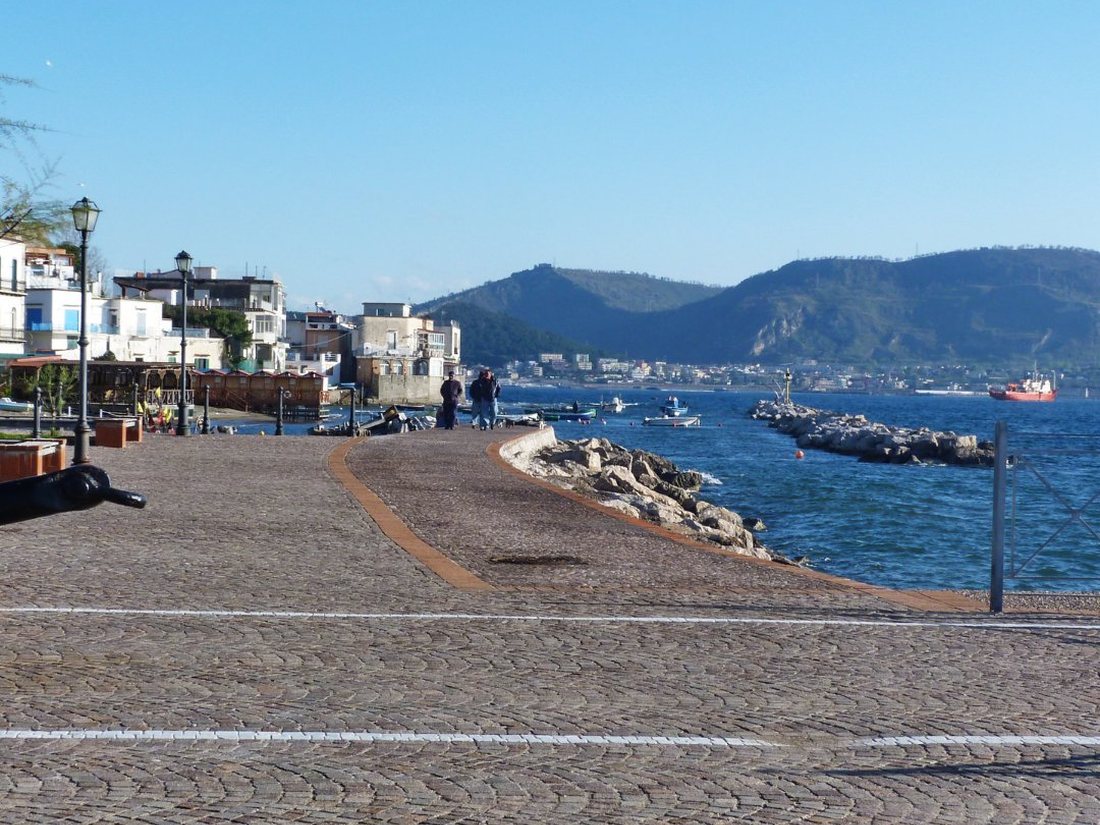
For travelers, this is the rare place where you can stand inside an active crater in the morning, descend into the underground galleries of the third-largest amphitheater in the Roman world by midday, and look out over the bay where Pliny watched Vesuvius erupt in 79 AD. We keep the groups small and the walking honest.
“People come for Pompeii and leave never knowing the volcano next door.” — Tours Shared · Licensed guides since 2013
Campania-licensed guides who live in the area and read the geology as fluently as the history.
Maximum 20 participants, most days we have around 8-12, it's ideal for an authentic, intimate, and tailor-made travel experience. This format allows for easy movement, access to exclusive locations, and enhanced personal attention.
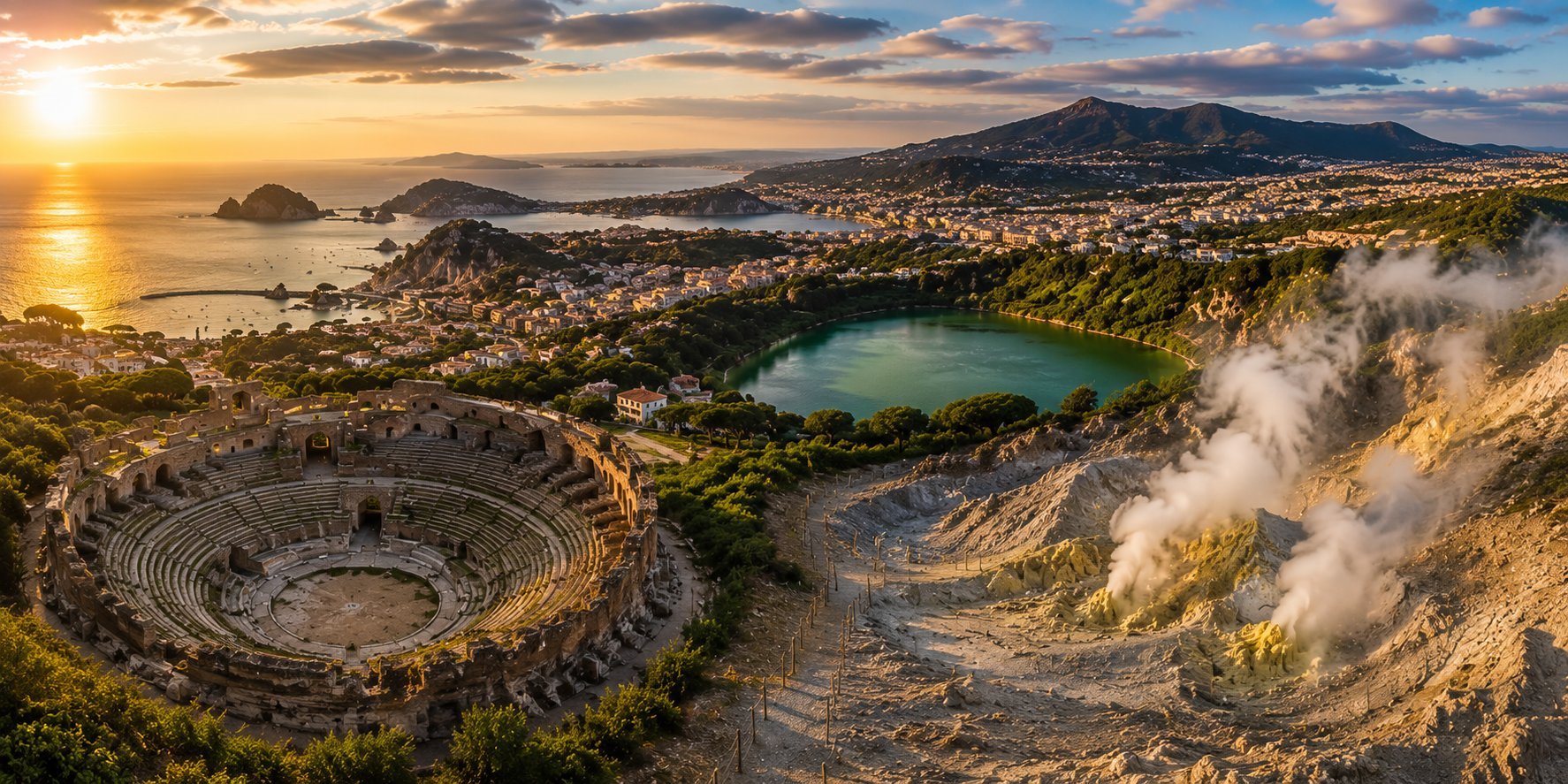
Tailor made tours of the Campi Flegrei — the Solfatara crater, the Flavian Amphitheater, sunken Baia, Cumae and Lake Avernus — departing from Naples, the Pozzuoli waterfront, or your hotel in Naples or Rome.
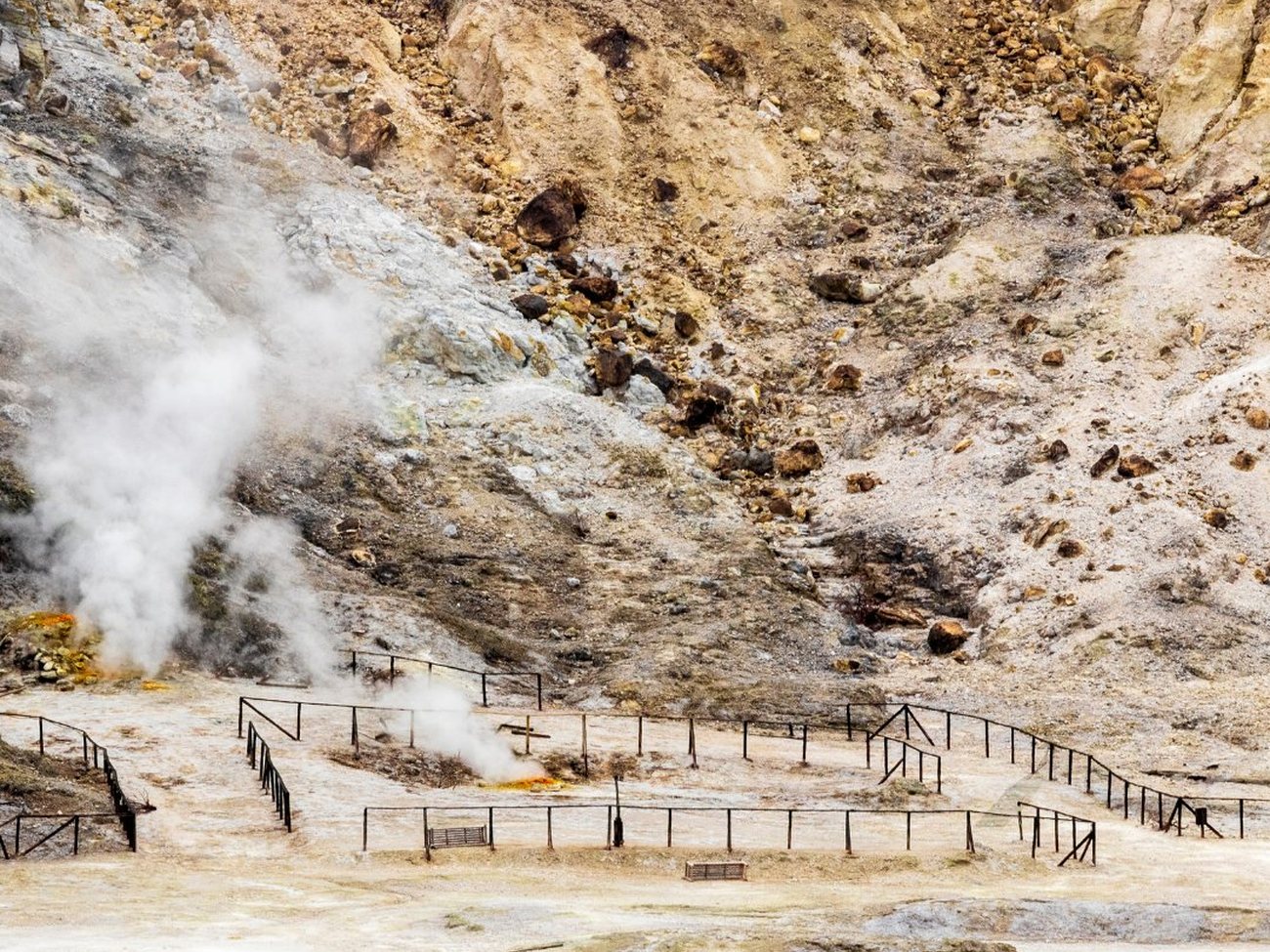
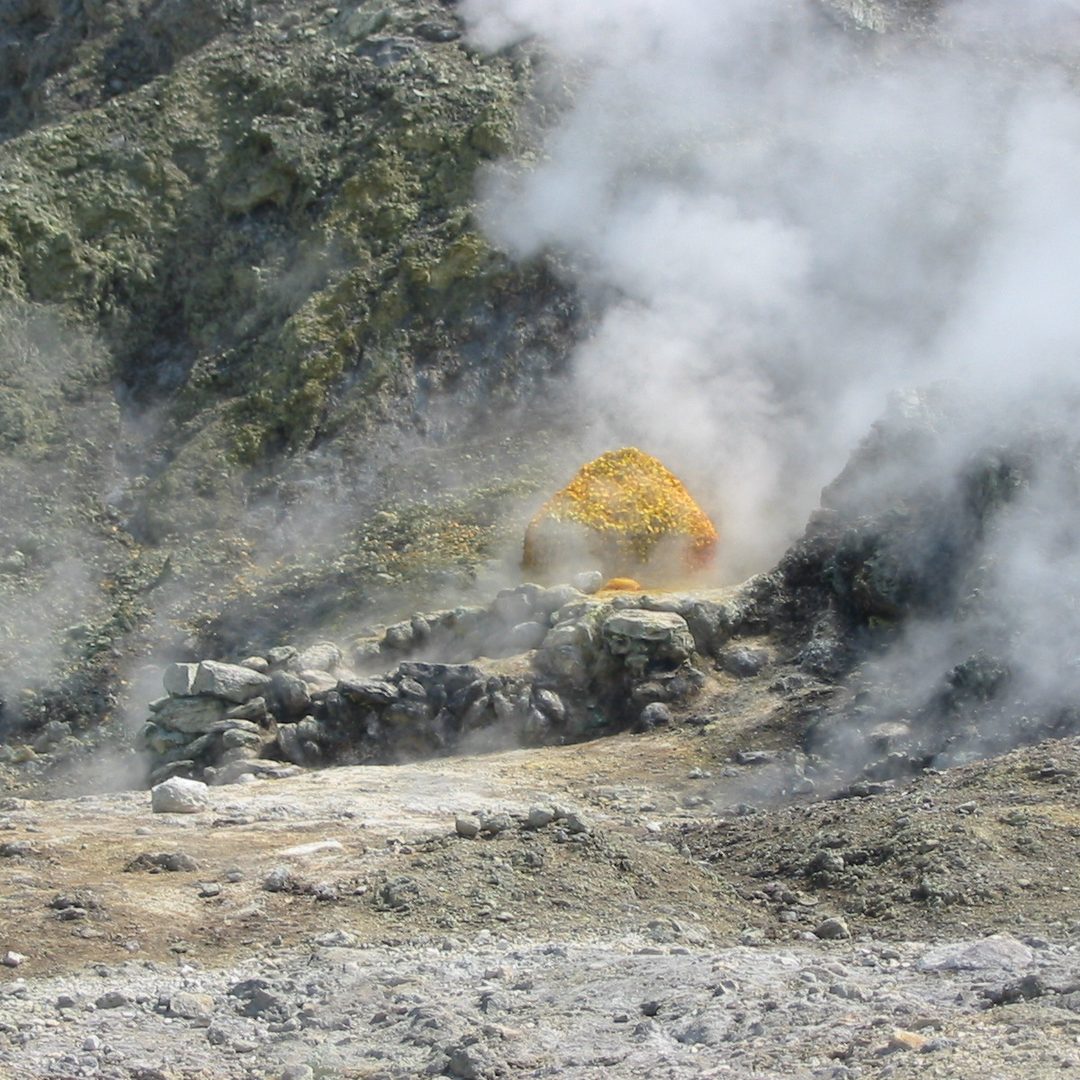
The Romans called it the Forum Vulcani — the marketplace of the god of fire. Walk across a crater floor that exhales steam at 160°C, past bubbling mud springs and vents crusted in yellow sulfur. This is one of the most accessible active volcanic fields in Europe, and the reason the whole region is named for fire.
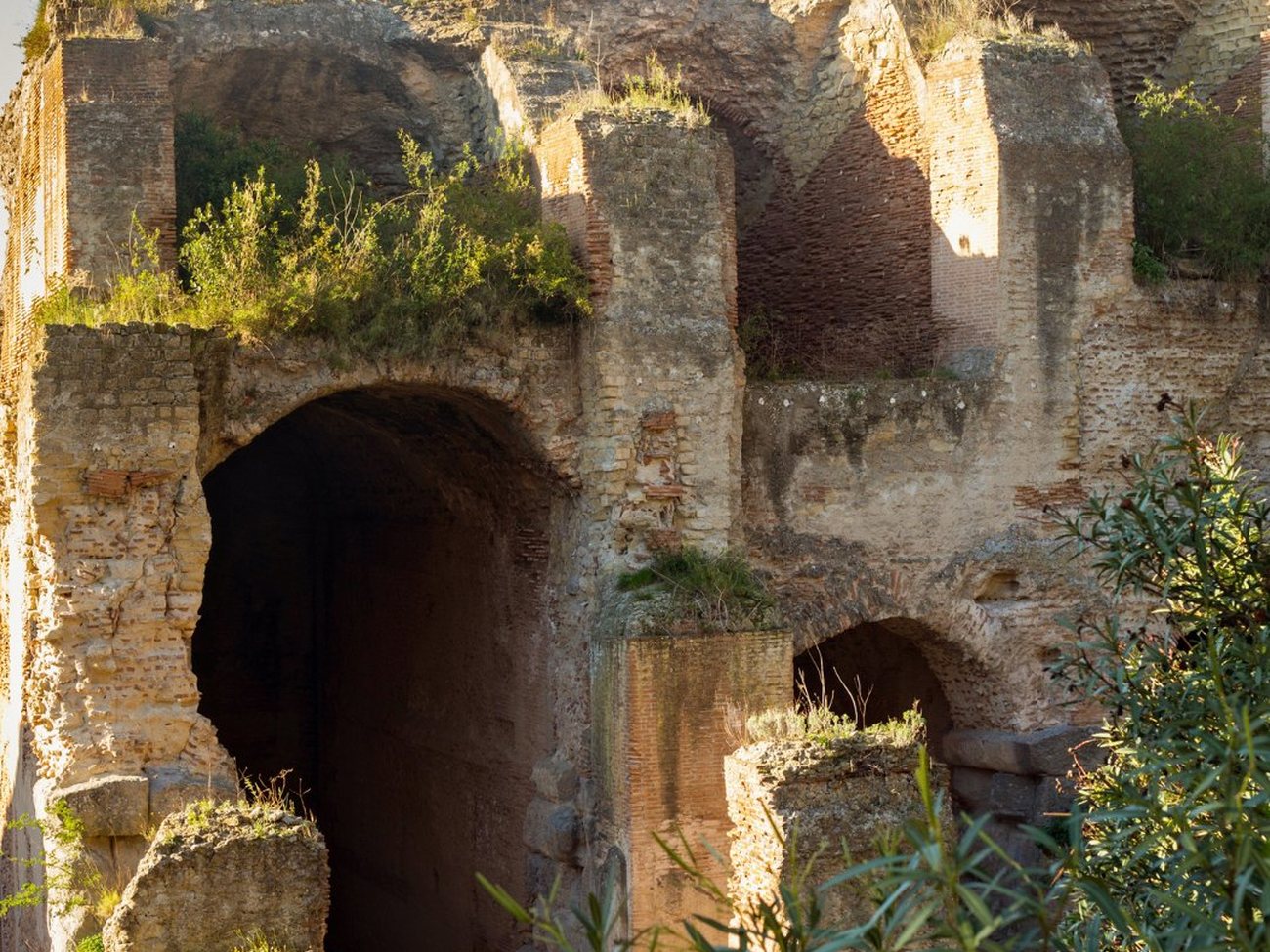
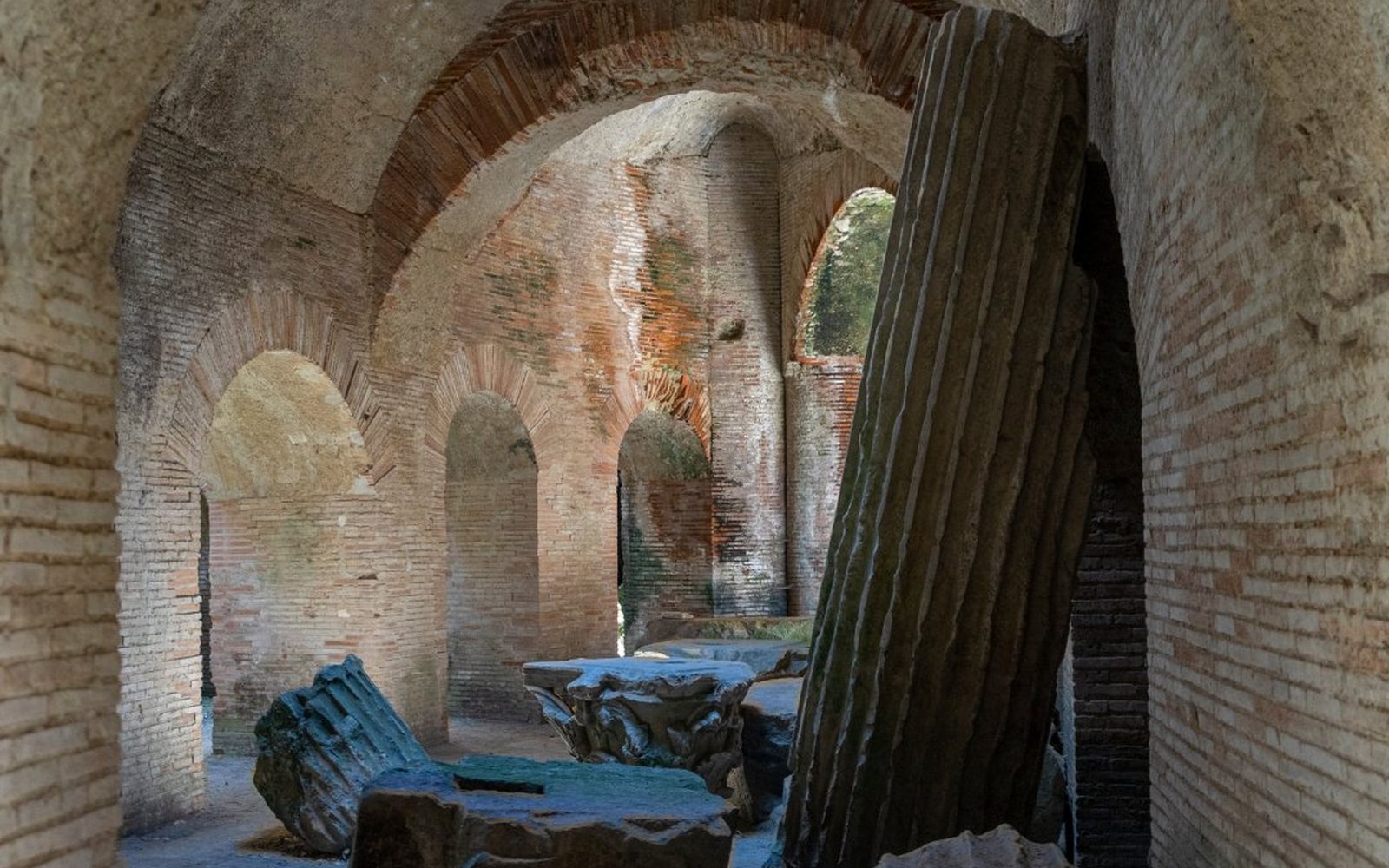
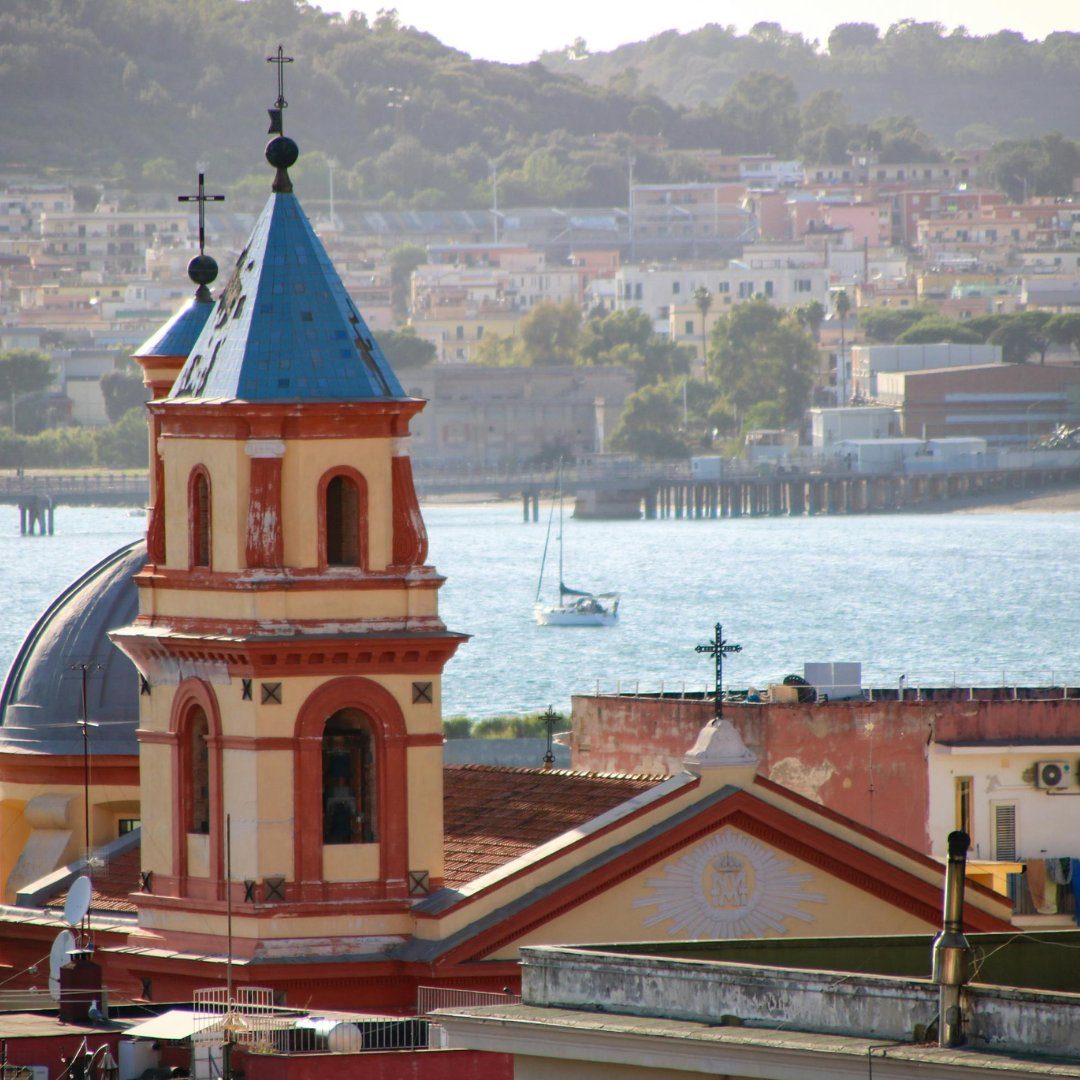
Baiae was the most fashionable resort of the Roman Empire — Caesar, Nero and Hadrian all kept villas here, and Seneca complained about the parties. Then bradyseism dragged half the city below sea level. Above water you walk the vast thermal domes; below it lies an underwater archaeological park of streets, statues and mosaics.
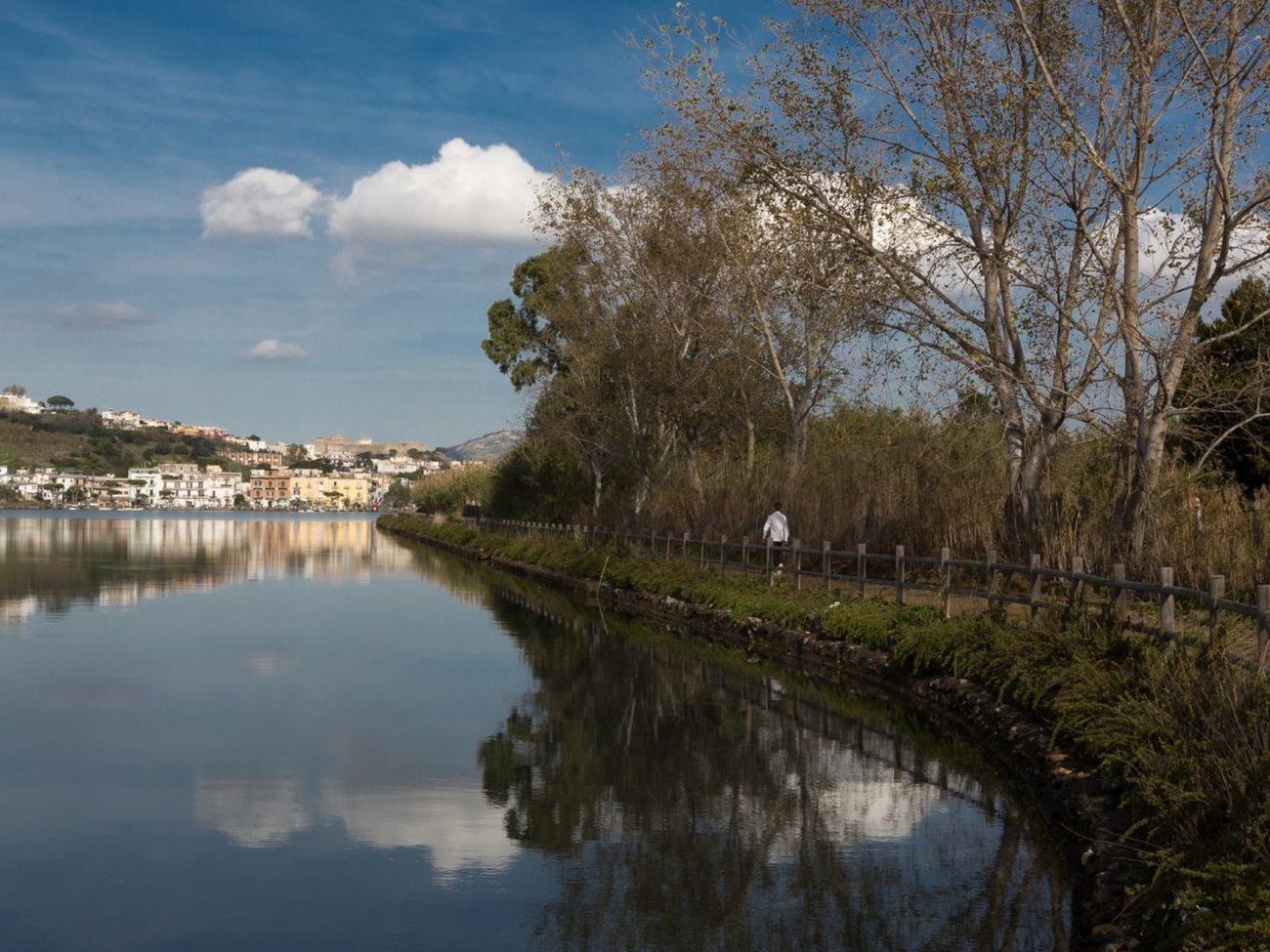
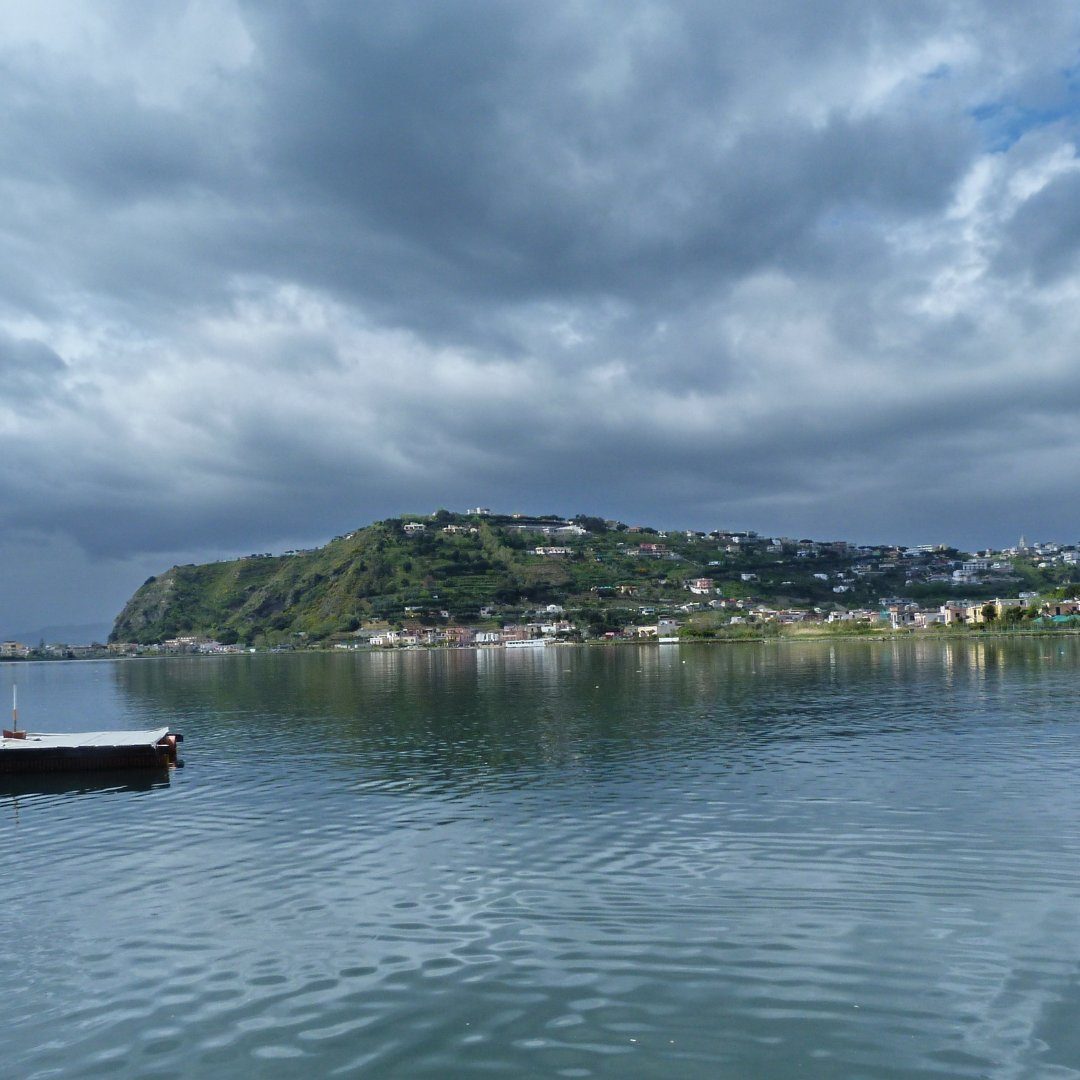
Cumae was the first Greek colony on the Italian mainland, founded in the 8th century BC. Its acropolis holds the Antro della Sibilla, the long trapezoidal gallery where the Cumaean Sibyl was said to deliver her prophecies. A short walk away, the still crater-lake of Avernus is the gate through which Virgil sent Aeneas down into the underworld.
Easy is the descent to Avernus: night and day the door of black Dis stands open.Virgil · Aeneid, Book VI · 29 BC
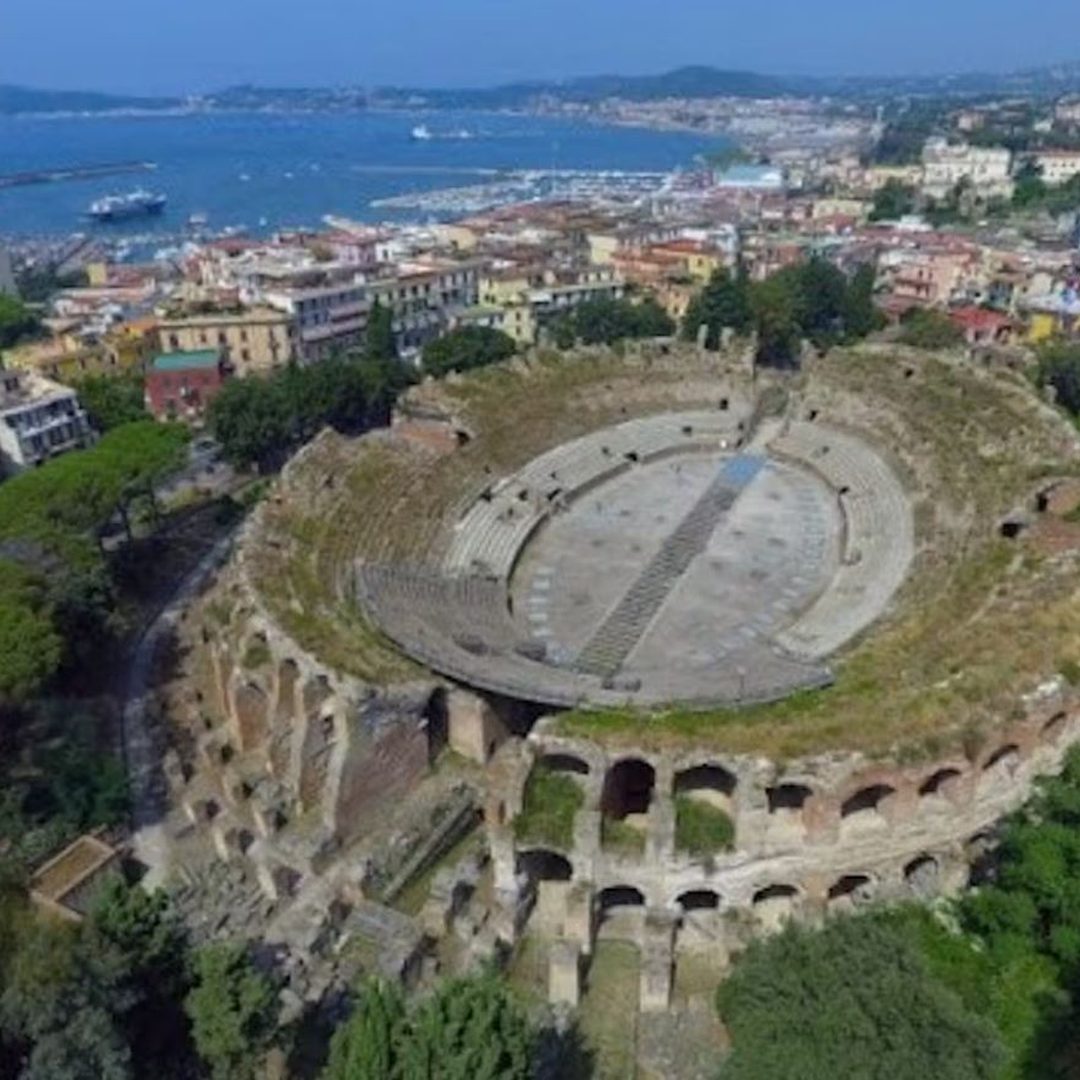
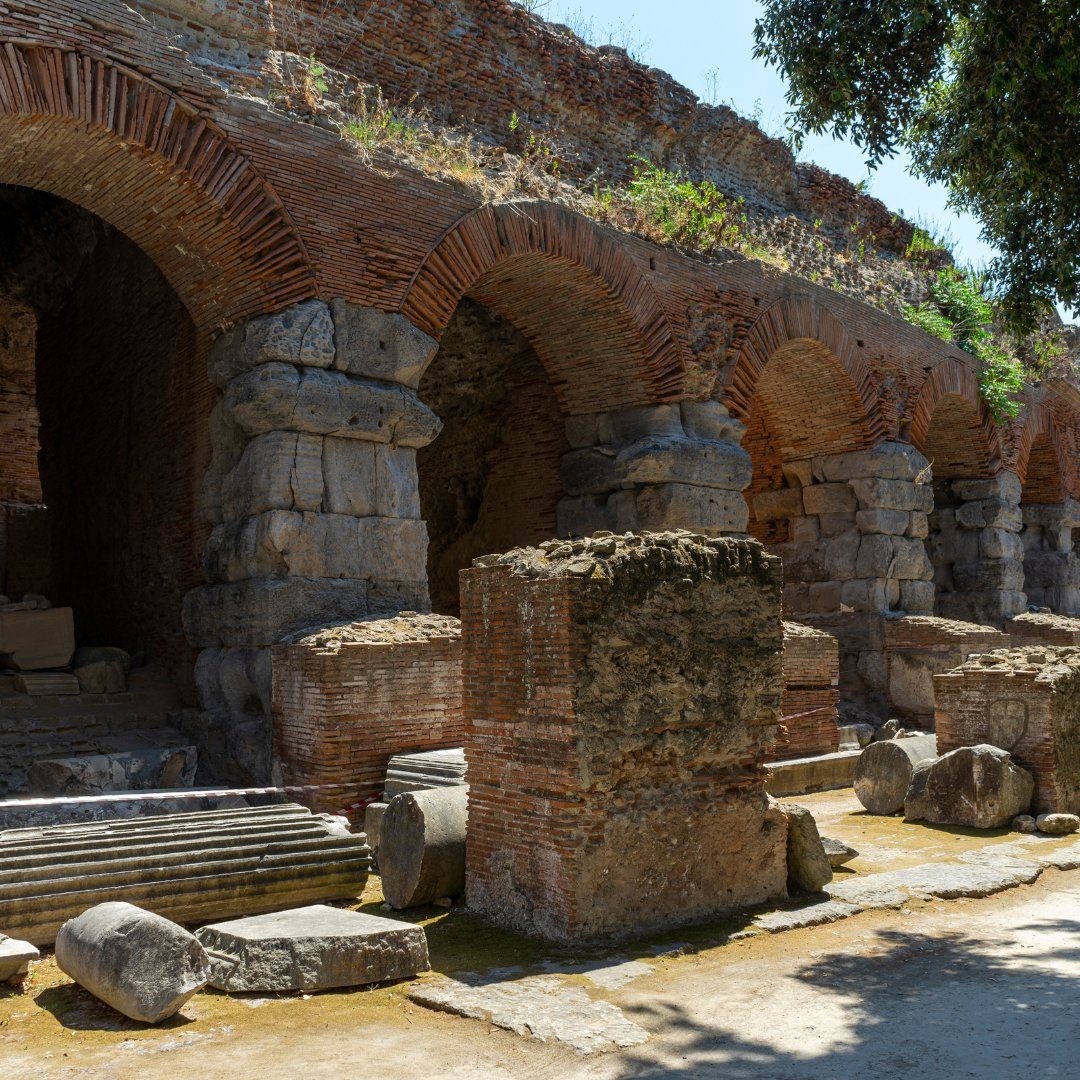
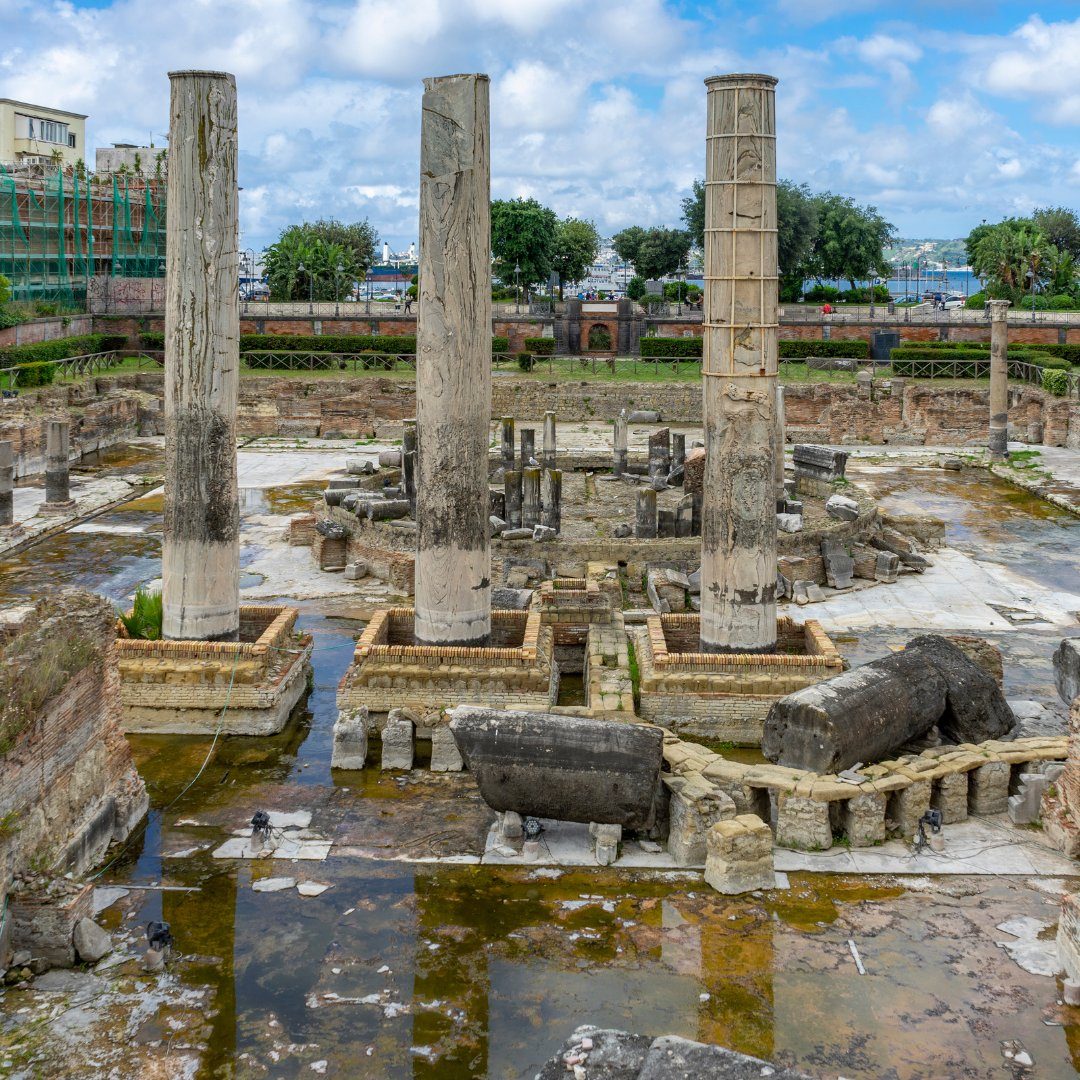
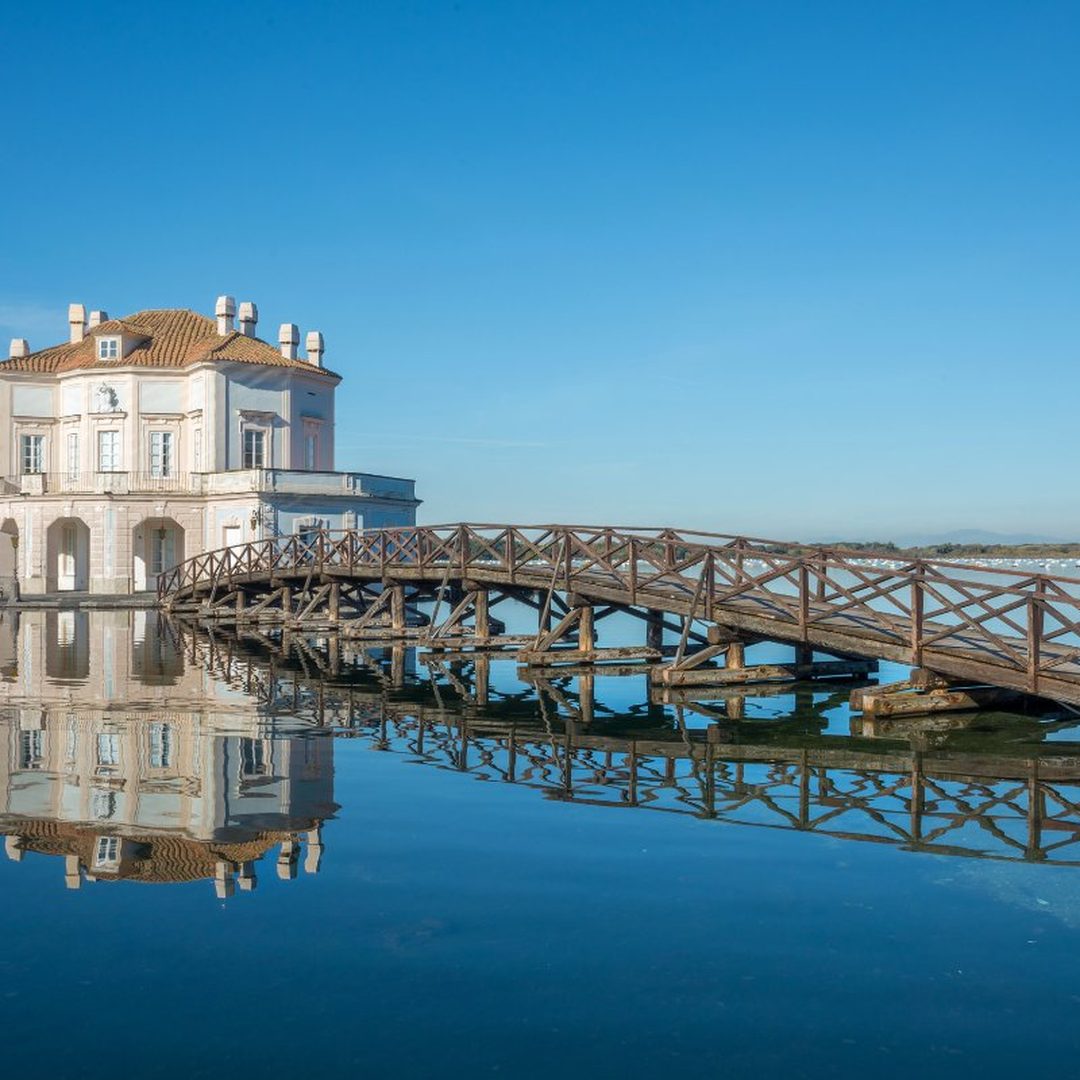
One full day, a handful of headline sites, and a licensed guide who handles the logistics, the tickets and the timing. Tell us where you're staying and we build the route around it.
Check Availability8 hours, full day with stops at the Solfatara, the Flavian Amphitheater, Baia and Cumae, with time for lunch by the bay.
Maximum 20 people. Most days we run with 8–12.
English and Italian. French, Spanish, German on request.
Central Naples or Rome — confirmed at booking, again 24 hours before.
Walking shoes (the archaeological sites are uneven), sunscreen, water, a light layer in shoulder season.
Routing adjustable for reduced mobility. Tell us at booking and we'll plan accordingly.
Call the booking line or message us on WhatsApp. We'll confirm a date, a meeting point in Naples or Rome, and a route built around what you most want to see.
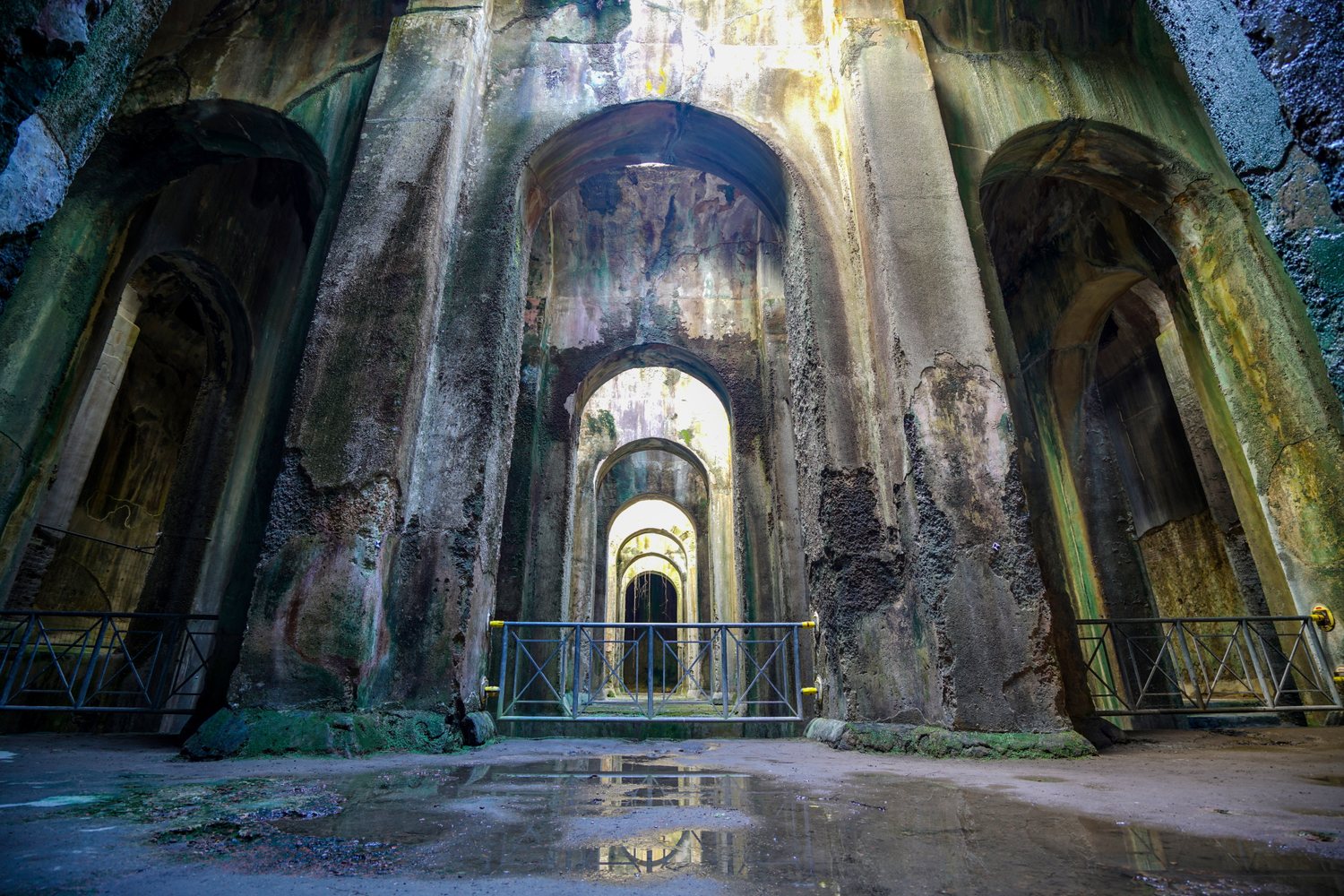
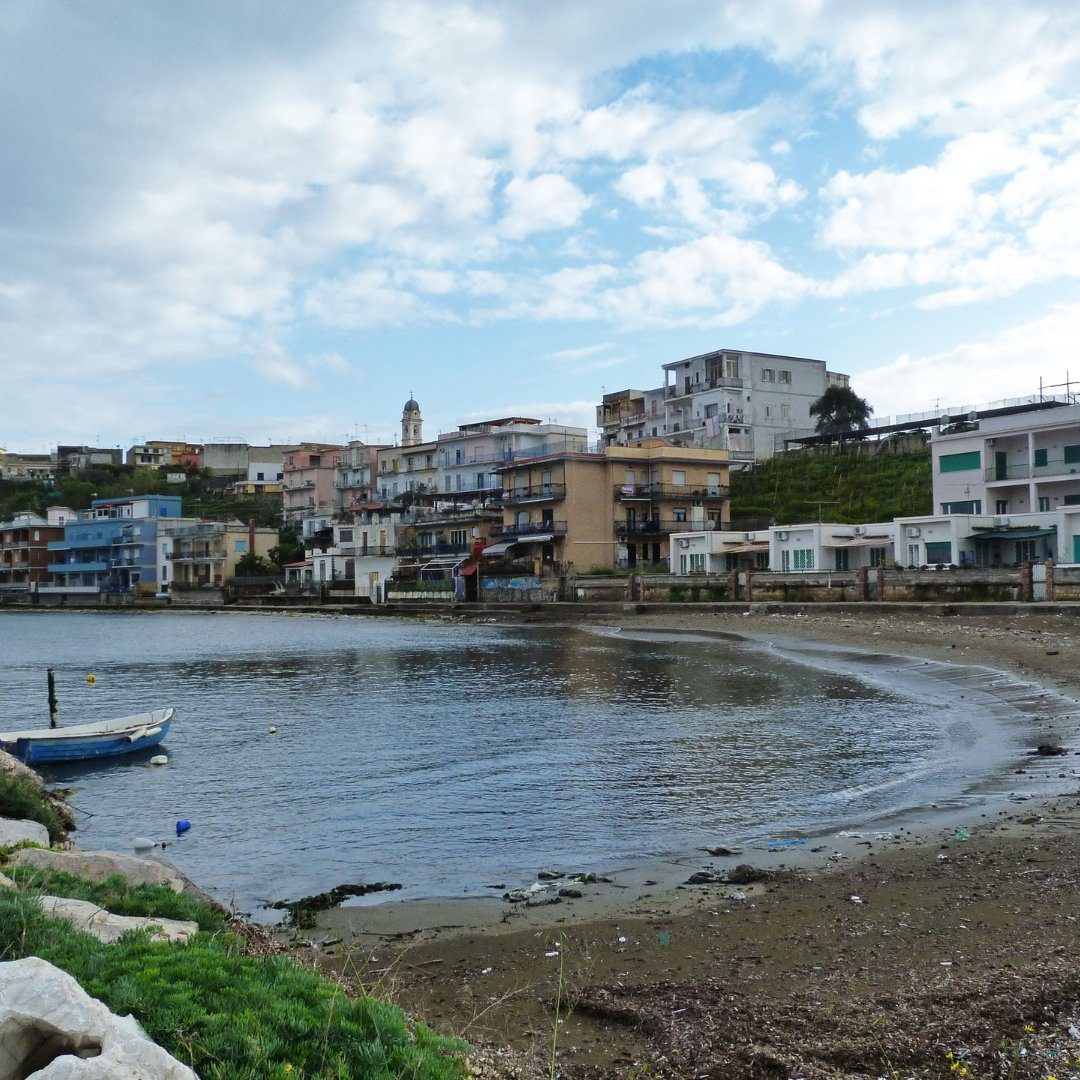
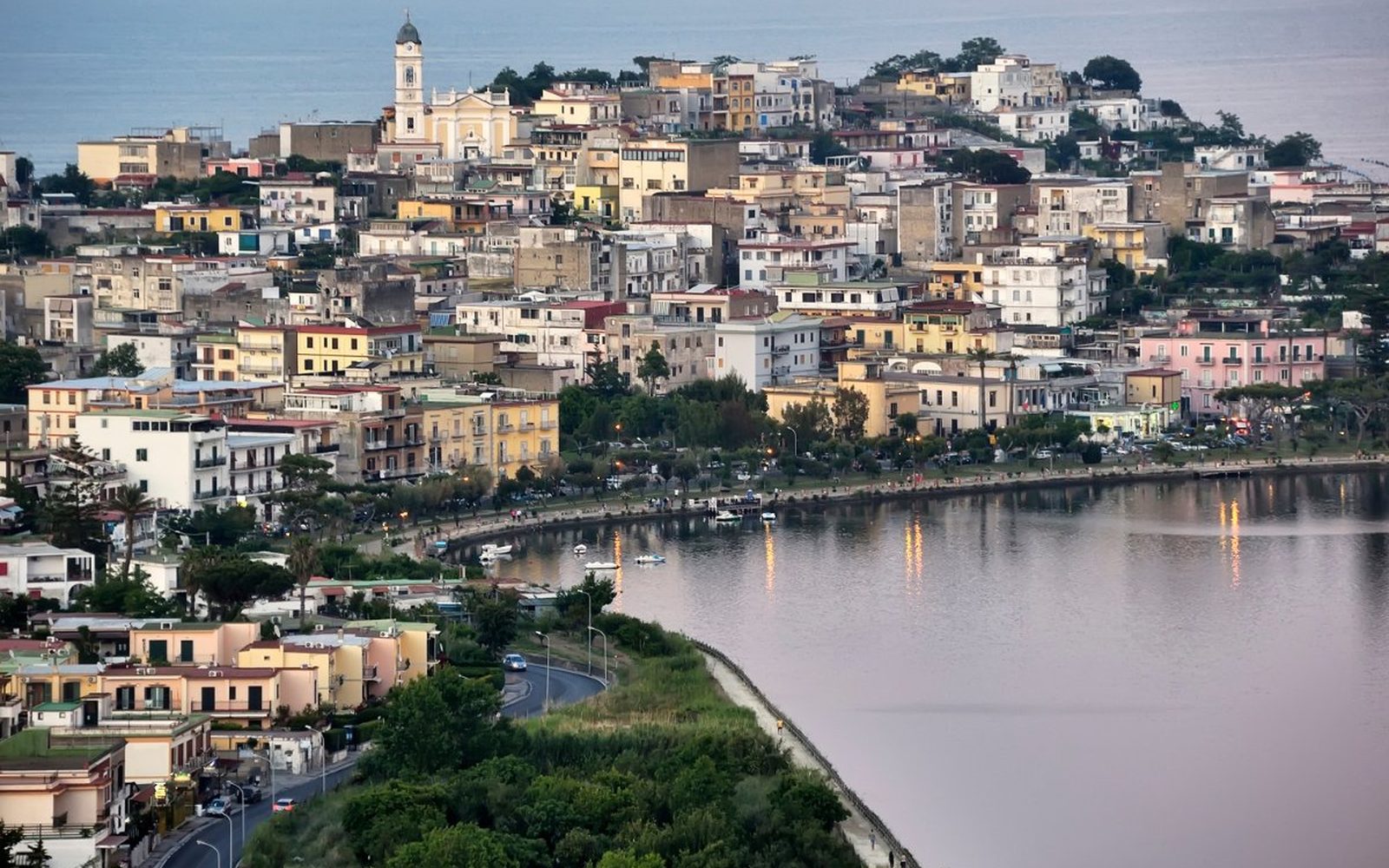
The Greeks of Cumae landed here in the 8th century BC and named the smoking plain Phlegra — the burning fields. The Romans turned the same ground into a resort, a naval base and an engineering marvel, channeling its springs into the colossal Piscina Mirabilis at Bacoli.
The fire never went out. The ground still rises and falls, the fumaroles still steam, and the people of Pozzuoli and Bacoli still build their lives on top of it. That continuity — myth, empire, and a living town on an active caldera — is exactly what a day here lets you feel.